Text classification is the workhorse of applied NLP, and the main obstacle to using public data is that your label taxonomy is yours alone.
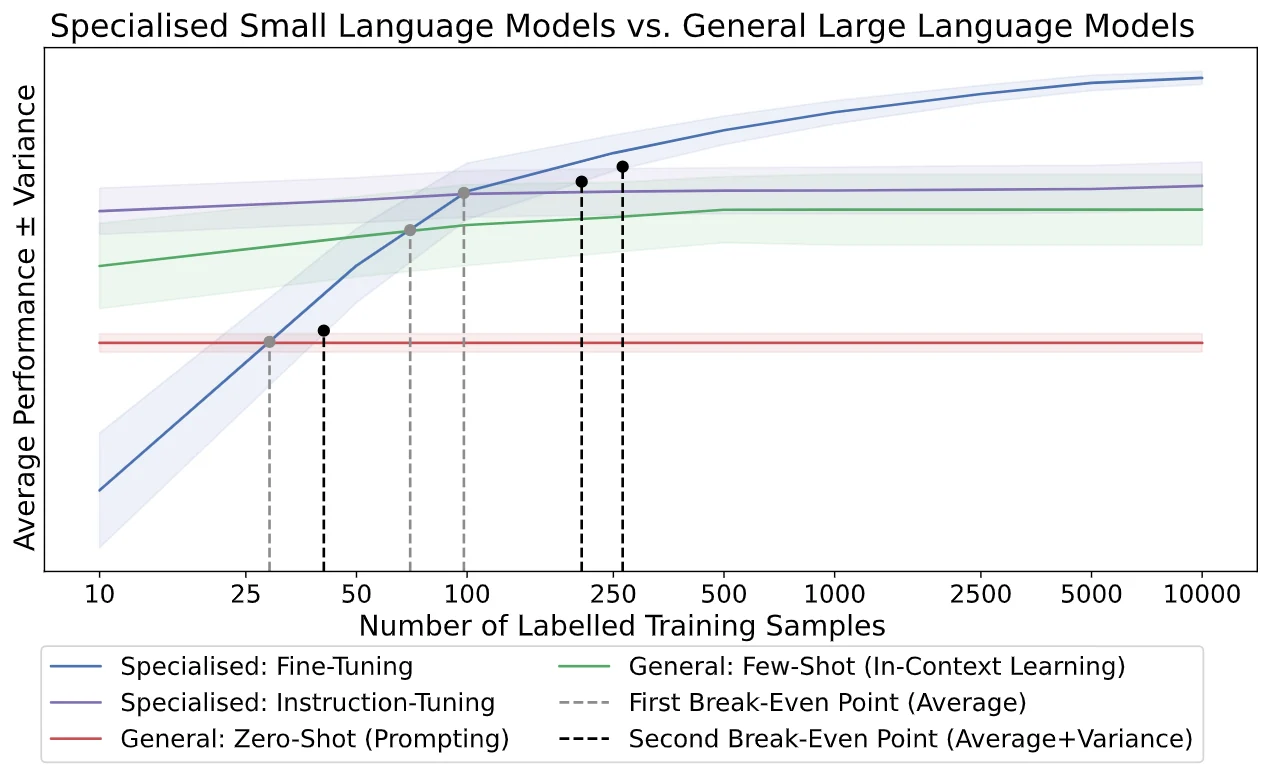
Almost every production classification problem has a bespoke label set: your support ticket categories, your document types, your routing rules. Public datasets have their own, and mapping between them loses precision at every step — which is why a few thousand examples from your own data usually beats a much larger public set for a production classifier.
Where public data genuinely helps is in establishing a method and a baseline, in pretraining a representation before fine-tuning on your labels, and in the cases where your taxonomy really is standard. Check the label definitions rather than the label names: two datasets can both have a 'complaint' class meaning quite different things.
| Dataset | Modality | Size | Licence | Best for |
|---|---|---|---|---|
| E-commerce Text Classification | Text | 50,425 entries | CC BY 4.0 | NLP models to classify products |
| Dataset Banking77 - Banking Customer Service Intentions | Text | 13,083 examples | CC BY 4.0 | NLP intent detection in banking |
| SMS Spam Collection | Text | 5,574 messages | CC BY 4.0 | Text classification for spam filtering |
| PhilPapers Papers Summarized Labeled | Text | 3,776 documents | MIT | Multi-label classification on academic texts |
| Civil Comments - Corpus of moderated comments annotated for toxicity | Text | 2M comments | CC0 | Toxicity detection and automated moderation |
| Chinese Sentiment Analyze | Text | 182,762 examples | MIT | Sentiment classification in Mandarin |
| Women's E-Commerce Clothing Reviews | Text | 23,486 rows | CC0 | Sentiment analysis or review classification |
| Twitter Sentiment Analysis Dataset | Text | 1.6M tweets | Twitter API terms | Sentiment classification on short texts |
| Sentiment Analysis for Mental Health | Text | 51,000 texts | ODbL | Classification of mental states from text |
| Amazon Polarity | Text | 4M reviews | Apache 2.0 | Sentiment classification for e-commerce |
E-commerce Text Classification
- Size
- 50,425 text entries in CSV, 4 classes
- Licence
- Attribution 4.0 International (CC BY 4.0)
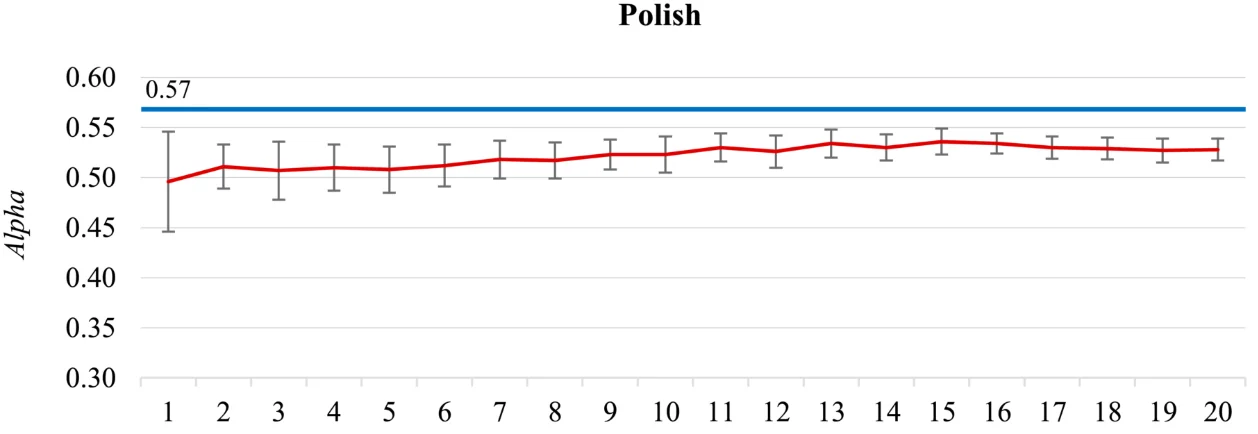
50,425 product text entries in CSV, each labelled with one of four e-commerce categories. Simple and well-sized for supervised text classification baselines or catalogue auto-tagging prototypes; check the per-class counts before relying on a single accuracy figure.
Training NLP models to classify products from descriptions, setting up automatic categorisation in an e-commerce platform, and testing supervised classification algorithms.
Source: innovatiana.com
Dataset Banking77 - Banking Customer Service Intentions
- Size
- 13,083 text examples with intent labels (77 classes)
- Licence
- CC-BY 4.0
13,083 real banking customer service requests, each labelled with one of 77 fine-grained intent categories. The high class count over short utterances makes it the standard hard intent-classification benchmark.
Training NLP intent detection in banking, improving customer-service chatbots or voice assistants, and analysing user needs and frustrations in detail.
Source: innovatiana.com
SMS Spam Collection
- Size
- 5,574 SMS messages, plain text format (TXT/CSV)
- Licence
- CC BY 4.0
About 5,574 text messages in TXT and CSV labelled spam or ham, gathered from several sources for spam filtering research. Hosted at the UCI repository and small enough to run experiments on in seconds.
Training text classification for spam filtering, NLP research applied to SMS, and evaluating clustering and text analysis techniques.
Source: innovatiana.com
PhilPapers Papers Summarized Labeled
- Size
- 3,776 documents in JSON format, including titles, summaries, multi-label labels
- Licence
- MIT
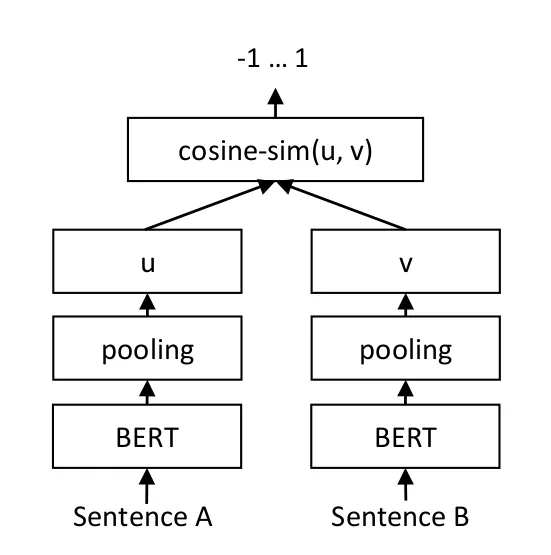
3,776 PhilPapers philosophy documents in JSON, each with a title, an LLM-generated two to three sentence summary, and multi-label tags across 17 philosophical schools. A rare labelled humanities corpus.
Training multi-label classification on academic texts, developing automatic summarisation in philosophy, and exploring trends across schools of thought.
Source: innovatiana.com
Civil Comments - Corpus of moderated comments annotated for toxicity
- Size
- Approximately 2 million text comments in JSON format, with toxicity labels and types of abuse
- Licence
- CC0-1.0
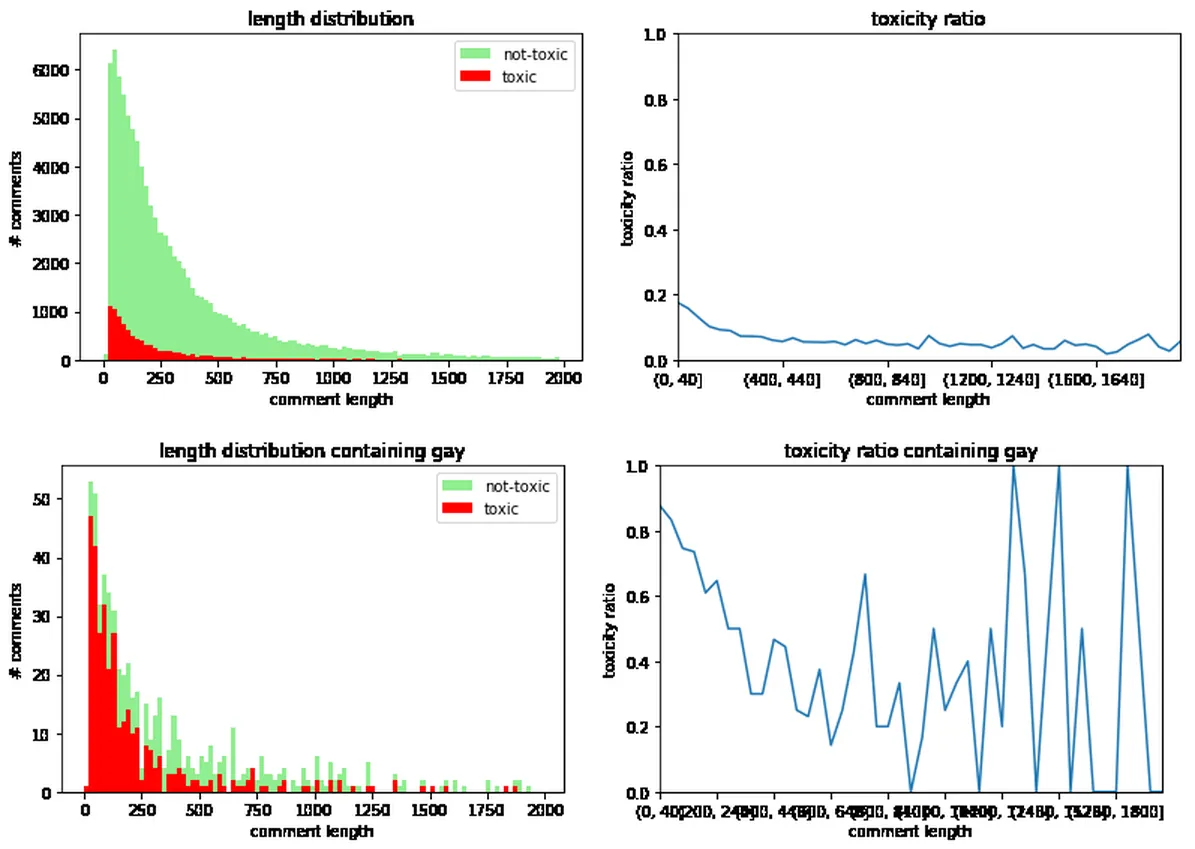
Roughly two million English public comments in JSON, gathered from a news-site commenting plugin between 2015 and 2017, labelled for overall toxicity and for specific kinds of abuse. Public domain and large.
Training toxicity detection and automated moderation, analysing hostile online interaction dynamics, and testing multi-class and multi-label classification on long texts.
Source: innovatiana.com
Chinese Sentiment Analyze
- Size
- 182,762 examples of Chinese text (reviews and social posts), JSON/CSV format
- Licence
- MIT
182,762 Chinese-language examples in JSON and CSV, combining e-commerce product reviews with Weibo social posts, each labelled positive, neutral or negative. Covers both commercial and social registers.
Training sentiment classification in Mandarin, developing opinion analysis for commercial or social applications, and testing multilingual model robustness on everyday Chinese.
Source: innovatiana.com
Women's E-Commerce Clothing Reviews
- Size
- 23,486 rows in CSV format, text and categorical data
- Licence
- CC0: Public Domain
23,486 CSV rows of anonymised online clothing reviews combining free text with ratings, customer ages, recommendation flags and product categories. Compact, clean and a long-standing teaching set for applied NLP.
Training sentiment analysis or review classification, studying customer experience by age or product category, and exploring BERT, TF-IDF or Word2Vec on real data.
Source: innovatiana.com
Twitter Sentiment Analysis Dataset
- Size
- Approximately 1.6 million annotated tweets, in CSV format
- Licence
- Use subject to the Twitter API terms of use. Verification required for commercial uses
About 1.6 million English tweets in CSV labelled positive or negative automatically, from emoticons rather than by annotators (only the 498-tweet test set adds a neutral class). Note the licence defers to Twitter's (now X's) API terms rather than granting an open licence, so commercial use needs verification.
Training sentiment classification on short texts, analysing trends and opinion on social networks, brand monitoring, and improving moderation or opinion summarisation.
Source: innovatiana.com
Sentiment Analysis for Mental Health
- Size
- Approximately 51,000 texts (statements) annotated into 7 categories, CSV/JSON format
- Licence
- Open Database License (ODbL) or equivalent free license (please check before using)
Over 51,000 statements gathered from platforms such as Reddit and Twitter in CSV and JSON, each labelled with one of seven mental health states. Its catalogue page itself advises checking the licence before use.
Training classification of mental states from text, developing psychological support chatbots, and emotional analysis to detect mental health trends.
Source: innovatiana.com
Amazon Polarity
- Size
- Around 4 million reviews (train + test), JSON format with title, content and binary label fields
- Licence
- Apache 2.0
Around four million Amazon customer reviews in JSON with title, content and binary positive-or-negative label, spanning eighteen years of commerce. Large and permissively licensed, it is the workhorse sentiment classification corpus.
Training sentiment classification for e-commerce, improving customer feedback analysis and recommendation, and testing NLP robustness on large real-world volumes.
Source: innovatiana.com
| text | category |
|---|---|
| I am still waiting on my card? | card_arrival |
| I'm panicking! I lost my card! Help! | lost_or_stolen_card |
| If I exchange currencies on a frequent basis can I receive a discount? | exchange_charge |
How this list was put together
Selected by searching Dataset Finder for datasets whose own documentation describes them as suitable for text classification; 93 matched, and the shortlist favours those with an unambiguous licence and the largest published scale.
Sizes and licences come from each dataset's documentation, vague wording included; where we found a re-upload's licence contradicting the original release, the entry gives the original terms. A dataset only appears here if its own description supports the task — we would rather publish a short list than pad one.